RUDRAKSHAM E – COMMERCE
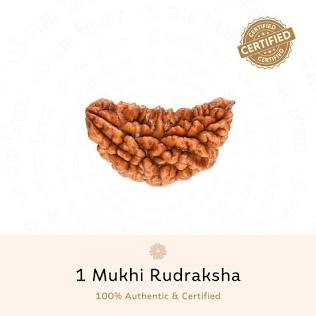
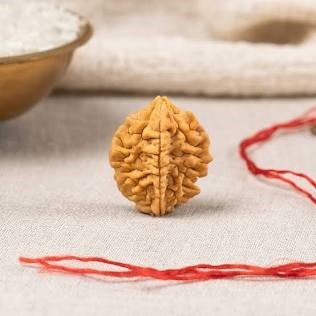
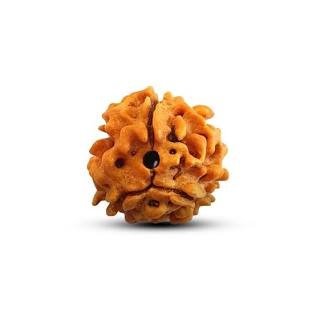
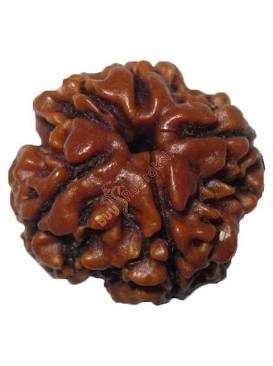
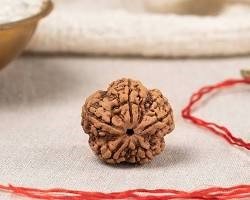
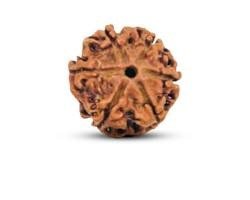
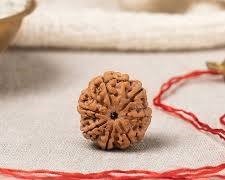
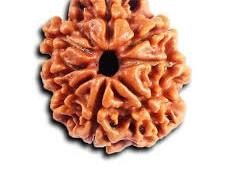

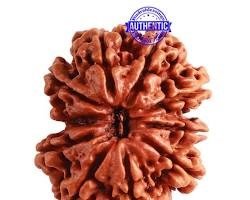
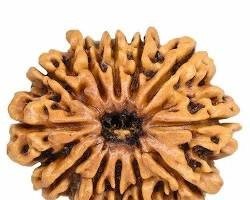
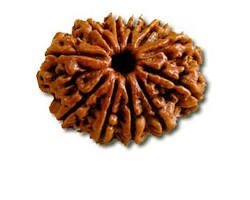
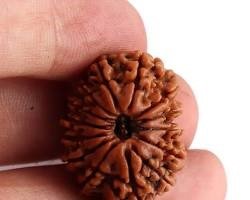
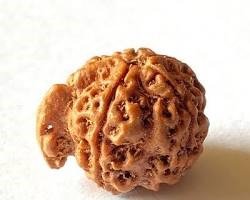
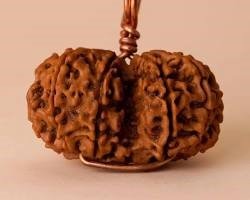
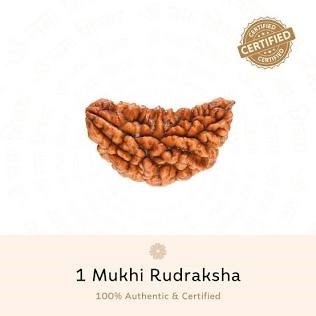
1 Mukhi RudrakshaTraditional Association Lord Shiva / Supreme Consciousness . The 1 Mukhi Rudraksha is traditionally regarded as one of the most spiritually significant Rudraksha beads. The number one represents unity, oneness, the Supreme Reality, and the principle that everything ultimately originates from one consciousness.It is particularly associated with intense spiritual awareness, meditation, detachment, and devotion to Lord Shiva.
Traditional Significance
The 1 Mukhi RUDRAKSH is traditionally believed to support
:Spiritual awakeningMeditation and concentration
Self-realizationDetachment from unnecessary distractionsInner peace
Focus on higher consciousness
Devotional connection with Lord ShivaTraditionally,
it is considered particularly suitable for people pursuing spiritual growth, meditation, and self-discovery.
SymbolismThe single face represents Advaita or oneness — the idea that the individual self and the Supreme Reality are ultimately connected.
Important Identification Note Authentic
1 Mukhi Rudraksha beads are relatively uncommon, and there are many imitations in the market. A buyer should be particularly careful about authenticity and should not rely solely on appearance or seller claims.
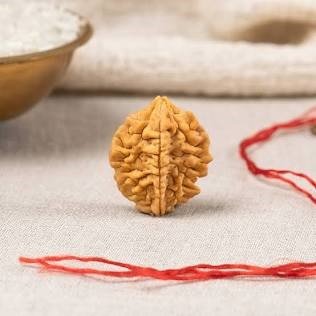
Traditional Association Ardhanarishvara — Shiva and Shakti . The 2 Mukhi Rudraksha represents the union of two complementary principles. It is traditionally associated with Ardhanarishvara, the combined form of Lord Shiva and Goddess Parvati.It symbolizes :
Balance
Harmony
Unity
Relationships
Complementary energies
Emotional stability
Traditional Benefits
The 2 Mukhi is traditionally believed to help
cultivate harmony between: Husband and wife Family members Friends Business partners Different aspects of one’s personality .
It is often regarded as a bead representing relationship harmony and emotional balance.
Spiritual Significance
The two faces can symbolically represent the balance between:
Shiva + Shakti
Male + Female
Individual + Universal
Material + Spiritual
Traditional Association
Agni — the Fire
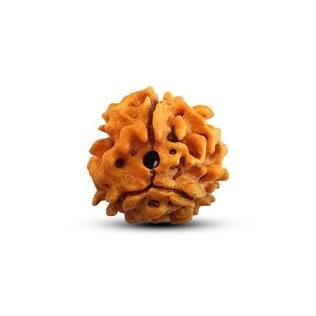
Principle The 3 Mukhi Rudraksha is traditionally associated with Agni, the divine fire.Fire is symbolically connected with
transformation,
purification,
energy, and
the burning away of past negativity.
Traditional SignificanceThe 3 Mukhi is traditionally believed to support:
Transformation Confidence Letting go of the past
Mental purification
Courage
Positive energy
Personal growthIt is often chosen by people who want to symbolically move forward from past experiences and begin a new phase of life.
Symbolism Agni represents the power to transform one state into another. Thus, the 3 Mukhi is traditionally regarded as a symbol of renewal and transformation.
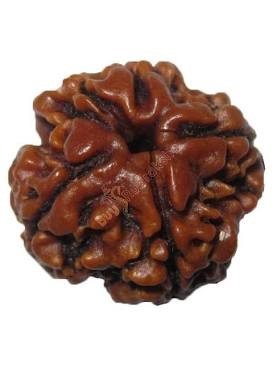
4 Mukhi Rudraksh
Traditional Association
Lord Brahma
The 4 Mukhi Rudraksha is traditionally associated with Lord Brahma, the creator in the Hindu Trimurti.The number four is connected with knowledge, creation, the four Vedas, and the four directions.
Traditional Benefits
The 4 Mukhi is traditionally believed to encourage
:Knowledge
Learning
Creativity
Memory
Communication
Intellectual
development
Concentration
It is therefore traditionally popular among:
Students
Teachers
Researchers
Writers
Artists
Speakers
Professionals involved in intellectual work,Spiritual Significance.
The bead symbolizes the pursuit of knowledge and wisdom and the creative power of consciousness.
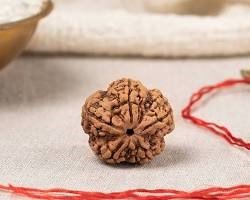
5 Mukhi Rudraksha
Traditional Association
Lord Kalagni Rudra / Shiva
The 5 Mukhi Rudraksha is one of the most commonly available and widely used Rudraksha beads. It is traditionally associated with Kalagni Rudra, a form of Lord Shiva.
Traditional Significance
The 5 Mukhi is traditionally associated with:
Peace
Spiritual
discipline
Meditation
Mental balance
General well-being
Wisdom
Devotional practice
Because of its widespread availability and traditional significance, it is commonly used in Rudraksha malas.
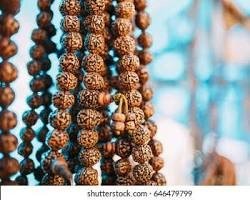
A traditional 108-bead Rudraksha mala frequently consists of 5 Mukhi Rudraksha beads. Who Traditionally Uses It.
It is considered a relatively universal Rudraksha and is commonly used by people who want to incorporate Rudraksha into:
Daily prayer
Meditation
Mantra chanting
Spiritual practice
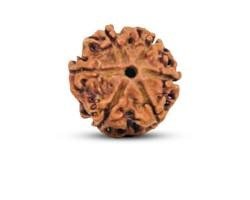
6 Mukhi Rudraksha
Traditional Association
Lord Kartikeya
The 6 Mukhi Rudraksha is traditionally associated with Lord Kartikeya, the son of Lord Shiva and Goddess Parvati.Kartikeya represents
courage,
discipline,
knowledge,
and the ability to overcome obstacles.
Traditional BenefitsThe 6 Mukhi is traditionally believed to support:
Discipline
Concentration
Courage
Self-control
Learning
Confidence
Emotional
balance.
It is often symbolically associated with developing control over one’s impulses and maintaining focus toward one’s goals.
Symbolism The bead represents the transformation of energy into disciplined action.
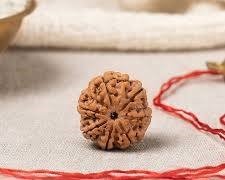
7 Mukhi Rudraksha
Traditional Association
Goddess Lakshmi
The 7 Mukhi Rudraksha is traditionally associated with Goddess Lakshmi
the deity of prosperity,
abundance,
and material well-being.
Traditional SignificanceIt is traditionally believed to symbolize:
Prosperity
Abundance
Financial stability
Opportunities
Removal of scarcity consciousness
Material and spiritual balance
Because of this association, it is particularly popular among people seeking symbolic support for:
Business
Career
Financial growth
Stability
Prosperity
Spiritual
PerspectiveTraditional teachings emphasize that prosperity is not limited to money.
It may also include:
Good fortune
Opportunities
Contentment
Resources
Family well-being
Abundance of positive experiences
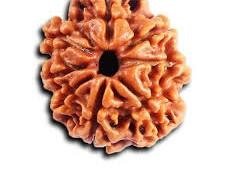
8 Mukhi Rudraksha
Traditional Association
Lord Ganesha
The 8 Mukhi Rudraksha is traditionally associated with Lord Ganesha,
the remover of obstacles and deity of wisdom and auspicious beginnings.
Traditional Benefits
The 8 Mukhi is traditionally believed to support:
Removal of obstacles
New beginnings
Wisdom
Problem-solving
Confidence
Adaptability
Success in undertakings
It is particularly symbolic for people beginning something new, such as:Starting a business
Beginning a new career
Starting an important project
Entering a new stage of life
Symbolism
Lord Ganesha represents the ability to overcome difficulties
through wisdom, intelligence, and perseverance.

9 Mukhi Rudraksha
Traditional Association
Goddess Durga / Navadurga
The 9 Mukhi Rudraksha is traditionally associated with Goddess Durga, particularly the divine feminine power represented through the nine forms of Navadurga.
Traditional SignificanceIt is traditionally believed to symbolize:
Courage
Strength
Fearlessness
Protection
Determination
Inner power
Spiritual energy
The 9 Mukhi is often associated with people who want to develop greater confidence while facing difficult situations. Spiritual Meaning
It represents Shakti, or divine energy—the inner power required to overcome challenges and continue moving forward.
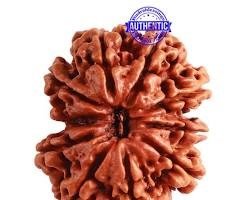
10 Mukhi Rudraksha
Traditional Association
Lord Vishnu
The 10 Mukhi Rudraksha is traditionally associated with Lord Vishnu, the preserver and protector within the Hindu Trimurti. The number ten is also traditionally connected with completeness and the ten directions.
Traditional Benefits The 10 Mukhi is traditionally believed to support:
Protection
Stability
Peace of mind
Mental clarity
Confidence
Spiritual balance
Protection from negative influences
It is often considered a symbol of divine protection and stability.
Traditional Perspective Rather than viewing protection only in a physical sense, spiritual traditions often understand it as protection from:
Fear
Confusion
Negative
thinking
Unhealthy influences
Emotional instability
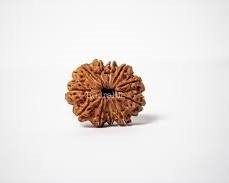
11 Mukhi Rudraksha
Traditional Association
Lord Hanuman
The 11 Mukhi Rudraksha is traditionally associated with Lord Hanuman, who represents
devotion,
courage,
strength,
discipline,
and unwavering determination.
Traditional BenefitsThe 11 Mukhi is traditionally believed to support:
Courage
Confidence
Mental strength
Determination
Concentration
Fearlessness
Spiritual discipline
It is particularly symbolic for individuals who need persistence and courage while dealing with demanding circumstances.
Spiritual Significance Lord Hanuman’s greatest quality is not merely physical strength but devotion combined with disciplined action.
Therefore, the 11 Mukhi traditionally represents the ability to remain focused and dedicated to one’s purpose.
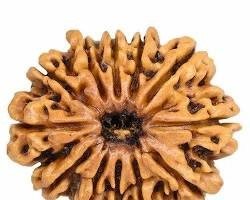
12 Mukhi Rudraksha
Traditional Association
Surya — the Sun God
The 12 Mukhi Rudraksha is traditionally associated with Surya, the Sun.The number twelve is strongly connected with the 12 Adityas, solar manifestations described in Hindu tradition. Traditional BenefitsThe 12 Mukhi is traditionally believed to symbolize:
Confidence
Leadership
Personal power
Vitality
Determination
Recognition
Positive influence
It is traditionally considered especially symbolic for people in leadership positions. Who May Traditionally Choose It?
It is often associated with:
Business leaders
Entrepreneurs
Managers
Administrators
Public speakers
People in positions of responsibility
Spiritual Meaning
The Sun represents light, clarity, authority, and consciousness. Therefore, the 12 Mukhi symbolizes the development of inner radiance and leadership.
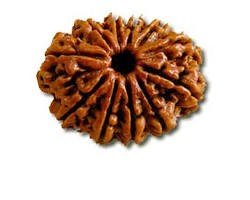
13 Mukhi Rudraksha
Traditional Association
Lord Indra / Kamadeva
The 13 Mukhi Rudraksha has different traditional associations in various Rudraksha traditions, commonly including Indra and Kamadeva.
It is traditionally associated with
attraction,
fulfillment,
confidence, and
worldly accomplishments.
Traditional Significance
The 13 Mukhi is traditionally believed to support:
Attraction
Charisma
Confidence
Creativity
Fulfillment of desires
Social influence
Success in worldly pursuits
It is sometimes considered particularly suitable for individuals working in fields where communication, creativity, networking, and personal influence are important.
Spiritual Perspective Traditional teachings do not necessarily interpret desire as purely material.
Desire can also represent the motivation that drives a person toward achievement and creative expression.
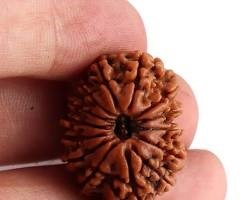
14 Mukhi Rudraksha
Traditional Association
Lord Shiva / Mahashiva
The 14 Mukhi Rudraksha is traditionally regarded as one of the highly significant Rudraksha varieties.
It is often associated with Lord Shiva and is sometimes referred to traditionally as Deva Mani.
Traditional SignificanceThe 14 Mukhi is traditionally believed to represent:
Intuition
Spiritual awareness
Courage
Clarity
Decision-making
Protection
Higher consciousness
It is traditionally considered especially significant for people seeking to strengthen their ability to recognize the right direction in difficult situations.
Symbolic Meaning ; The 14 Mukhi is sometimes described as connected with the awakening of inner perception or intuition.
Traditionally, it is viewed as a powerful symbol for individuals who have important responsibilities and must make difficult decisions.
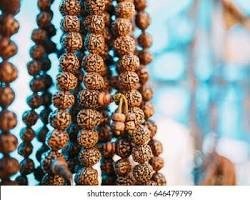
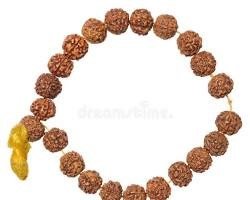
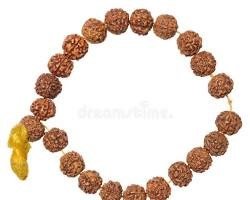
BRECELLETS and BEADS MALA are also available.